Buy ditip.eu ?
We are moving the project
ditip.eu .
Are you interested in purchasing the domain
ditip.eu ?
domain@kv-gmbh.de · 0541-91531010
Buy ditip.eu ?
Why is Disk Management blocked for security reasons?
Disk Management is often blocked for security reasons to prevent unauthorized users from making changes to the disk partitions, which could potentially lead to data loss or system instability. By restricting access to Disk Management, administrators can ensure that only authorized personnel with the necessary permissions can modify disk configurations. This helps to maintain the integrity and security of the system, reducing the risk of accidental or malicious changes that could compromise the system's stability or data security. **
Why is the disk management blocked for security reasons?
Disk management is often blocked for security reasons to prevent unauthorized users from making changes to the disk partitions, which could potentially lead to data loss or system instability. By restricting access to disk management tools, organizations can ensure that only authorized personnel with the necessary permissions can make changes to the disk configuration. This helps to protect sensitive data, maintain system integrity, and prevent accidental or malicious alterations that could compromise the security of the system. **


Similar search terms for Disk Management
Top-Angebote
Products related to Disk Management:
-
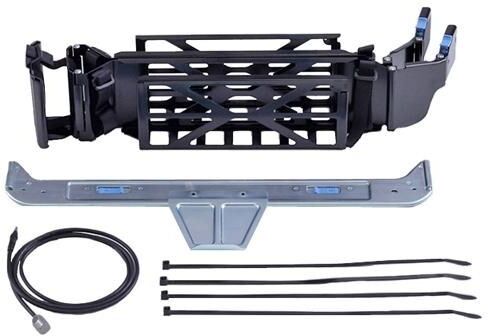
APC NetShelter Cable Management Arm AR8129Cable management arm designed for APC NetShelter and Smart-UPS enclosures, measuring 45.7 cm length with compact profile. Lightweight at 0.5 kg, compatible with 30+ APC equipment models. Includes 2-year warranty.177,49 £*Shipping: 0,00 £Secure redirect to the provider


-
Where is the Disk Management located in Windows XP?
In Windows XP, Disk Management can be found by right-clicking on "My Computer" and selecting "Manage." This will open the Computer Management window. From there, you can click on "Disk Management" under the "Storage" section in the left pane. Disk Management allows you to view and manage the disks and partitions on your computer. **
-
Is the blockade of the disk management a virus?
No, the blockade of the disk management is not necessarily a virus. It could be due to various reasons such as administrative restrictions, corrupted system files, or disk errors. It is important to troubleshoot the issue by checking for malware, updating system drivers, and running disk error checks to determine the root cause of the problem. **
-
Why is the SSD not showing up in Disk Management?
There could be several reasons why an SSD is not showing up in Disk Management. Some common reasons include a faulty connection between the SSD and the computer, a driver issue, or the SSD not being properly initialized. It is also possible that the SSD is not receiving enough power or there could be a compatibility issue with the computer's hardware or operating system. Troubleshooting steps such as checking the connections, updating drivers, and ensuring the SSD is properly initialized may help resolve the issue. **
-
How can you move a volume in Windows Disk Management?
To move a volume in Windows Disk Management, you can follow these steps: 1. Open Disk Management by right-clicking on the Start button and selecting "Disk Management." 2. In the Disk Management window, right-click on the volume you want to move and select "Shrink Volume" to create unallocated space. 3. Then, right-click on the volume you want to move the space to and select "Extend Volume" to add the unallocated space to the volume. 4. Follow the on-screen instructions to complete the process and move the volume to the desired location. **


Why is the SSD not showing up in the disk management?
There could be several reasons why an SSD is not showing up in disk management. Some common reasons include a faulty connection or cable, incorrect BIOS settings, driver issues, or a malfunctioning SSD. It's important to check the physical connections first, ensuring the SSD is properly connected to the motherboard and power supply. If the connections are secure, troubleshooting BIOS settings, updating drivers, or testing the SSD on another system may help identify the issue. **
Is the SSD recognized in the BIOS but not in Disk Management?
If the SSD is recognized in the BIOS but not in Disk Management, it could indicate a potential issue with the drive's partitioning or formatting. You may need to initialize the SSD in Disk Management to make it usable. Additionally, checking the device manager for any driver issues related to the SSD could also help resolve the problem. If these steps do not work, there may be a hardware problem with the SSD that requires further troubleshooting or professional assistance. **
Top-Angebote
Products related to Disk Management:
-
APC Network Management Card 3 Remote Management AdapterA plug-in remote management adapter for APC UPS systems with integrated PowerChute Network Shutdown and environmental monitoring capabilities. Supports network connectivity up to 1 Gbps across 10Base-T, 100Base-TX, and 1000Base-T Ethernet protocols using TCP/IP and SMTP. Designed for compatibility with multiple APC Smart-UPS and Symmetra models.577,99 £*Shipping: 0,00 £Secure redirect to the provider
-
Synology Disk Station DS725+ NAS2-bay NAS server with 4GB RAM and 2.5 Gigabit Ethernet connectivity supporting advanced RAID configurations (JBOD, 0, 1, 5, 6, 10). Runs Synology DiskStation Manager OS and supports up to 40 IP cameras for surveillance integration. Compact design with universal voltage (100-240V) and comprehensive 3-year warranty.962,99 £*Shipping: 0,00 £Secure redirect to the provider
-
APC NetShelter Cable Management Arm AR8129Cable management arm designed for APC NetShelter and Smart-UPS enclosures, measuring 45.7 cm length with compact profile. Lightweight at 0.5 kg, compatible with 30+ APC equipment models. Includes 2-year warranty.177,49 £*Shipping: 0,00 £Secure redirect to the provider
-
Why is Disk Management blocked for security reasons?
Disk Management is often blocked for security reasons to prevent unauthorized users from making changes to the disk partitions, which could potentially lead to data loss or system instability. By restricting access to Disk Management, administrators can ensure that only authorized personnel with the necessary permissions can modify disk configurations. This helps to maintain the integrity and security of the system, reducing the risk of accidental or malicious changes that could compromise the system's stability or data security. **
-
Why is the disk management blocked for security reasons?
Disk management is often blocked for security reasons to prevent unauthorized users from making changes to the disk partitions, which could potentially lead to data loss or system instability. By restricting access to disk management tools, organizations can ensure that only authorized personnel with the necessary permissions can make changes to the disk configuration. This helps to protect sensitive data, maintain system integrity, and prevent accidental or malicious alterations that could compromise the security of the system. **
-
Where is the Disk Management located in Windows XP?
In Windows XP, Disk Management can be found by right-clicking on "My Computer" and selecting "Manage." This will open the Computer Management window. From there, you can click on "Disk Management" under the "Storage" section in the left pane. Disk Management allows you to view and manage the disks and partitions on your computer. **
-
Is the blockade of the disk management a virus?
No, the blockade of the disk management is not necessarily a virus. It could be due to various reasons such as administrative restrictions, corrupted system files, or disk errors. It is important to troubleshoot the issue by checking for malware, updating system drivers, and running disk error checks to determine the root cause of the problem. **
Similar search terms for Disk Management
-
Navien 60mm Black Plume Management KitNavien 60mm Black Plume Management Kit – Safe and Effective Exhaust Gas Redirection The Navien 60mm Black Plume Management Kit is a vital accessory for condensing boiler installations, designed to safely redirect and manage exhaust gases (plume) emitted during operation. By controlling the direction of the plume, this kit ensures that gases are expelled safely away from the building, preventing potential staining, damage, or safety hazards. Built with high-quality materials, the black plume management kit is both durable and visually unobtrusive, making it suitable for residential and commercial applications where aesthetics and functionality are equally important. Key Features and Benefits Safe Gas Redirection103,58 £*Shipping: 0,00 £Secure redirect to the provider
-
Uplift Picks Solar Ground Disk Lights Brighten Gardens Pathways Lawns Patios Every Night disk Lamp (8 Led) 4 PcsGive your landscape a polished glow without visible cables or complicated installation. These solar ground lights feature 12 LEDs for brighter low profile illumination around lawns, pathways, patios, and yards. Comparable 12 LED models use solar...52,98 $*Shipping: 0,00 $Secure redirect to the provider
-
Why is the SSD not showing up in Disk Management?
There could be several reasons why an SSD is not showing up in Disk Management. Some common reasons include a faulty connection between the SSD and the computer, a driver issue, or the SSD not being properly initialized. It is also possible that the SSD is not receiving enough power or there could be a compatibility issue with the computer's hardware or operating system. Troubleshooting steps such as checking the connections, updating drivers, and ensuring the SSD is properly initialized may help resolve the issue. **
-
How can you move a volume in Windows Disk Management?
To move a volume in Windows Disk Management, you can follow these steps: 1. Open Disk Management by right-clicking on the Start button and selecting "Disk Management." 2. In the Disk Management window, right-click on the volume you want to move and select "Shrink Volume" to create unallocated space. 3. Then, right-click on the volume you want to move the space to and select "Extend Volume" to add the unallocated space to the volume. 4. Follow the on-screen instructions to complete the process and move the volume to the desired location. **
-
Why is the SSD not showing up in the disk management?
There could be several reasons why an SSD is not showing up in disk management. Some common reasons include a faulty connection or cable, incorrect BIOS settings, driver issues, or a malfunctioning SSD. It's important to check the physical connections first, ensuring the SSD is properly connected to the motherboard and power supply. If the connections are secure, troubleshooting BIOS settings, updating drivers, or testing the SSD on another system may help identify the issue. **
-
Is the SSD recognized in the BIOS but not in Disk Management?
If the SSD is recognized in the BIOS but not in Disk Management, it could indicate a potential issue with the drive's partitioning or formatting. You may need to initialize the SSD in Disk Management to make it usable. Additionally, checking the device manager for any driver issues related to the SSD could also help resolve the problem. If these steps do not work, there may be a hardware problem with the SSD that requires further troubleshooting or professional assistance. **
* All prices are inclusive of VAT and, if applicable, plus shipping costs. The offer information is based on the details provided by the respective shop and is updated through automated processes. Real-time updates do not occur, so deviations can occur in individual cases. ** Note: Parts of this content were created by AI.